Putin Approves Russia's First Regulated Cryptocurrency Market
Putin has signed Russia's first crypto trading law creating a regulated market under Central Bank oversight from Sept 1 while keeping cryptocurrency banned for domestic payments.
!Putin Signs Law Legalizing Crypto Trading in Russia
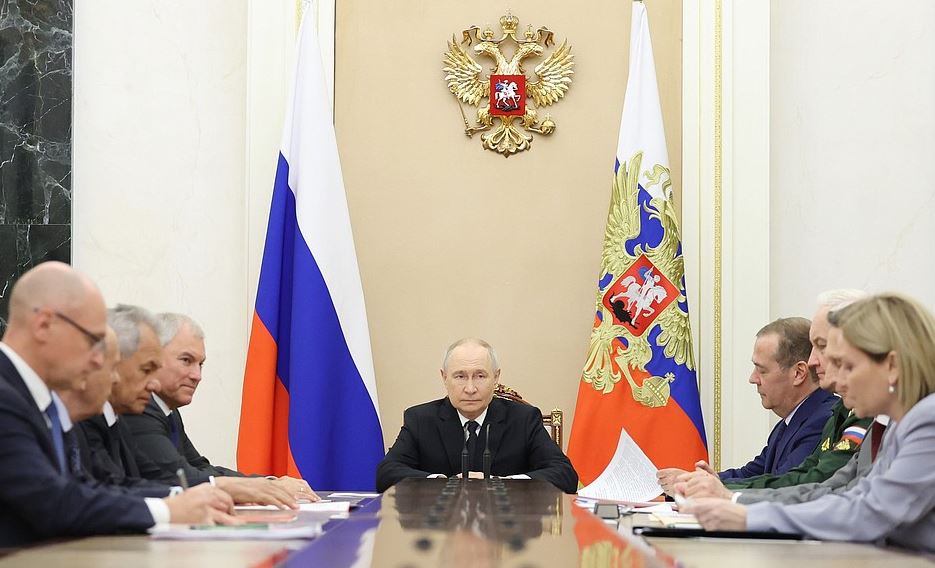
- Putin signed the Law on Digital Currencies and Digital Rights on Tuesday.
- The law creates Russia’s first regulated crypto market, taking effect Sept. 1.
- Crypto remains banned as a form of payment inside the country.
Russian President Vladimir Putin signed the Law on Digital Currencies and Digital Rights on Tuesday, creating the country’s first regulated cryptocurrency market. The main provisions take effect September 1, with select rules following in mid-2027. More in crypto news.
Under the law, digital currency is recognized as property. Trading must run through platforms licensed by the Central Bank of Russia, with dedicated digital repositories tracking ownership similarly to how traditional securities are recorded.
How Russia’s New Crypto Law Changes Trading Rules
This is different from a blanket legalization. It’s about which channel crypto activity is allowed to run through.
Russians could already legally hold cryptocurrency, but most trading happened on foreign platforms outside domestic oversight. The new law brings that activity onshore under Central Bank supervision, while keeping a longstanding ban on using crypto to pay for goods or services inside Russia.
Retail investors face a knowledge test before trading and an annual cap of roughly 300,000 rubles, about $3,800, per licensed platform. Investors who qualify as “professional” must also pass the test but face no cap. Advertising for crypto investment services must now carry risk warnings.
Why Russia’s Crypto Shift Matters for Global Markets
According to blockchain analytics firm Chainalysis, Russia already ranks as Europe’s largest crypto market by transaction volume. The Finance Ministry estimates roughly 50 billion rubles, about $650 million, trades hands domestically each day, much of it currently outside any formal framework.
Bringing that volume onto licensed platforms gives Moscow visibility it didn’t have before, and a tool for enforcement it lacked while trading sat offshore. It also arrives as Russia faces continued Western sanctions pressure on its financial system, including the EU’s recent addition of exchange HTX to its Russia sanctions list.
The law does not legalize crypto payments, and mining remains separately and more tightly restricted, with an expanded regional mining ban set to take effect August 15. For international platforms, the near-term impact is limited. The larger signal is that Russia is choosing formal regulation over prohibition, a path several other jurisdictions are also weighing this year.
Sources:
Xinhua: Putin Signs 1st Law Regulating Digital Currencies in Russia
Chainalysis: Crypto Adoption in Europe
Related reading
Analysts Flag Security Gaps in Standard Chartered-Backed Stablecoin
August 14, 2026
Metaplanet Denies Bitcoin Sale, Unveils BitBonds Program
August 13, 2026
Could Ripple’s Own Stablecoin Undercut Demand for XRP?
August 13, 2026
Binance bStocks Passes xStocks in Tokenized Stocks Race
August 13, 2026
More in Crypto News Today
- [Analysts Flag Security Gaps in Standard Chartered-Backed Stablecoin
1 month ago](/crypto-news/analysts-flag-security-gaps-in-standard-chartered-backed-stablecoin/)
- [Metaplanet Denies Bitcoin Sale, Unveils BitBonds Program
1 month ago](/bitcoin/metaplanet-denies-bitcoin-sale-unveils-bitbonds-program/)
- [Could Ripple’s Own Stablecoin Undercut Demand for XRP?
1 month ago](/xrp/could-ripples-own-stablecoin-undercut-demand-for-xrp/)
- [Binance bStocks Passes xStocks in Tokenized Stocks Race
1 month ago](/crypto-news/binance-bstocks-passes-xstocks-in-tokenized-stocks-race/)
- [BOE Digital Pound Lab Tests Stablecoin-CBDC Interoperability
1 month ago](/crypto-news/boe-digital-pound-lab-tests-stablecoin-cbdc-interoperability/)
Top gainers 24h
- Loading market data...
Top losers 24h
- Loading market data...
Make sense of crypto.
Weekly analysis. No hype, no jargon. Free.