Solana Proposals Aim to Burn More SOL and Accelerate Disinflation

- Solana’s fee-burn and disinflation package entered its first governance vote on August 3.
- Annual disinflation would double to 30% by 2032 upon adoption.
- Daily SOL burns would jump from roughly 650 SOL to about 9,000 SOL.
Solana’s supply mechanics are now up for a vote. A package of proposals addressing the network’s fee-burn rate and token disinflation schedule entered its first governance vote on Monday, according to a post from SolanaFloor, an account that tracks Solana network activity closely and is often first to flag proposal movement.
What the Proposals Would Change
The package bundles two related changes to how new SOL enters and leaves circulation. The first would double Solana’s annual disinflation rate to 30%, a considerably faster taper than the network runs today, cutting roughly $1.36 billion in projected token issuance over the next six years.
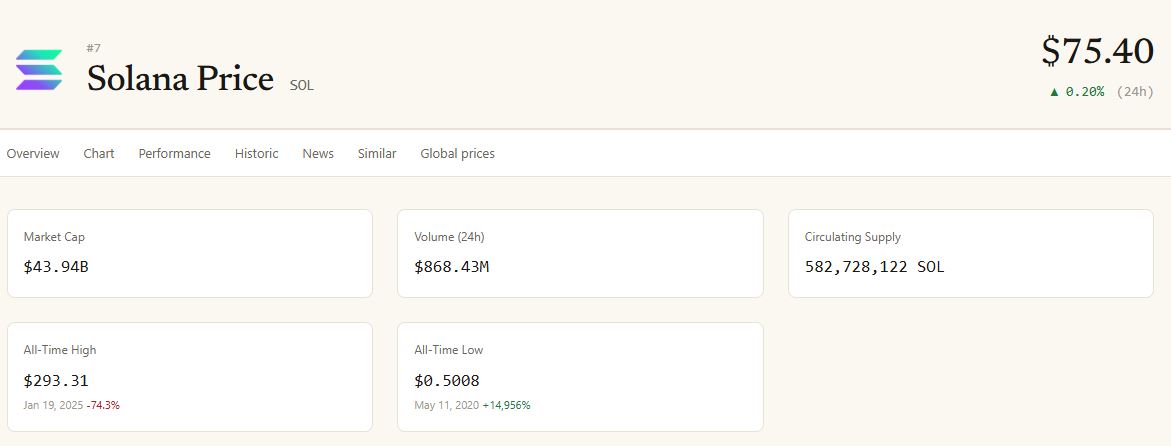
The second targets transaction fees directly. Under the proposal, daily SOL burns, the portion of fees permanently removed from supply rather than distributed to validators, would rise from around 650 SOL, worth about $47,000 at current prices, to roughly 9,000 SOL, worth about $646,000. A heavier burn rate offsets new issuance far more aggressively than the current mechanism allows.
Neither change is final yet. Solana’s amendment process requires proposals to clear validator review before they can alter supply dynamics, and SolanaFloor’s own figures are framed as projected outcomes rather than locked-in changes. Monday’s vote entering its first stage is a procedural step and not a ratified update, and the numbers above assume full adoption.
Why This Matters Beyond the Chart
Disinflation proposals tend to surface when a network’s token economics come under closer scrutiny. A faster taper and a heavier burn both pull in the same direction: they slow how quickly new SOL reaches the market relative to demand, regardless of what price is doing on any given day.
That backdrop matters given where SOL has been trading. The token has spent recent sessions below its short-term moving averages, with weaker spot demand leaving recoveries more dependent on derivatives positioning than direct buying. A credible supply-side change doesn’t resolve that gap by itself, but it gives holders a structural argument distinct from short-term price swings, the kind of mechanical detail that tends to outlast a single trading session.
The proposals now move through Solana’s standard validator approval process. Amendments affecting network-level parameters typically require sustained supermajority support before implementation, so the actual timeline for any change to disinflation or burn rates remains open.